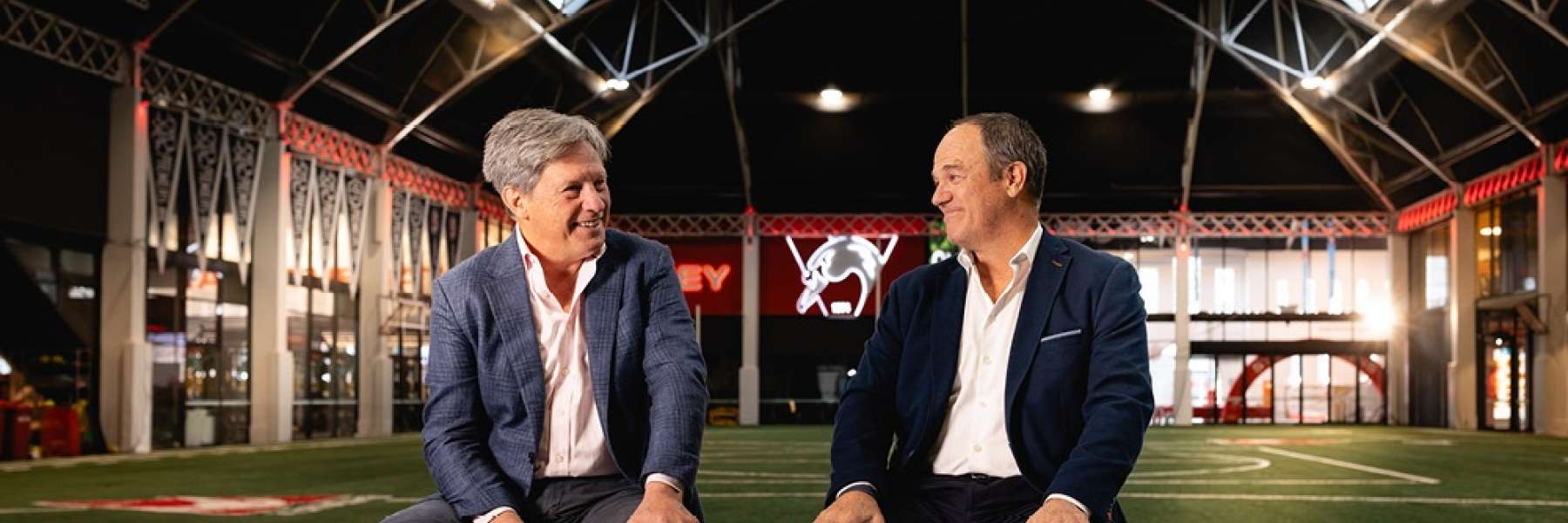
October 22nd, 2026
An Evolution, Not a Revolution
When we started FDC, we weren’t thinking about what the business might look like 36 years later. We certainly weren’t thinking about the ASX. We had a ute, a phone book and a belief that if you looked after people and did good work, they would look after you. What we couldn’t have understood then was that one of the great privileges of building FDC would be watching others build their lives and careers alongside it.
We’ve had people come through FDC and watched their children and grandchildren grow up. We’ve seen some of those children become team members, young cadets develop into leaders, and those leaders attract talented people. There is something we've believed for years: the more we contribute to the success of others, the more we contribute to our own. It’s proved true in ways we couldn’t have anticipated when we began, and it’s led us to a bigger question: How do we make sure FDC outlives us without losing the things that made it successful in the first place? FDC people have always had skin in the game. You see it in the care they bring to a project, the relationships they protect, the standards they uphold and the way they respond when something goes wrong. They have created and protected a culture that no founder could manufacture on their own
Succession can sound like a corporate exercise. For us, it was much more personal than that. We have six children between us each on their own path, so passing FDC from one generation of our family to the next was never the natural answer. But succession doesn’t only happen through families. Over the years, a new generation of leaders has emerged from within FDC.
Many of our leaders joined us in their early twenties. We recognised their talent early and watched them grow alongside the business. Their stories are a part of a much bigger story at FDC. Over the past three decades, we’ve seen an exceptional cohort of leaders emerge from within the business, many of whom have spent 15, 20 or more years helping shape the company FDC is today. Together, they have strengthened our culture, built enduring client relationships, and guided FDC through successive phases of growth.
The strength of FDC has never been built by one or two individuals. It reflects the contribution of a broader leadership team that has grown with the business over many years, taking on more responsibility as FDC expanded nationally. Many of the people helping lead FDC today were already instrumental in shaping its direction long before the IPO became a reality. There was no single moment that led to the decision to list; rather, it was the culmination of decades of leadership, stewardship, and collective effort across FDC.
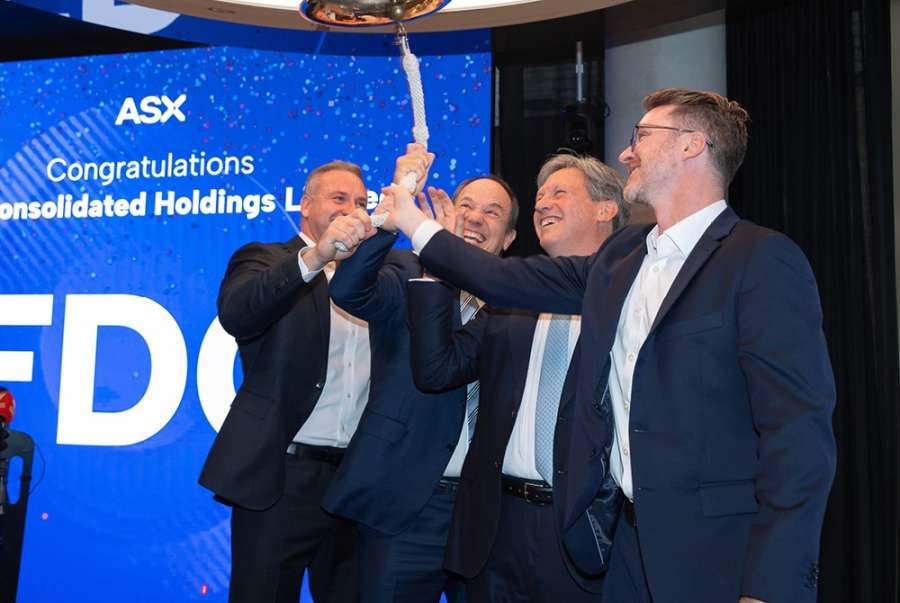
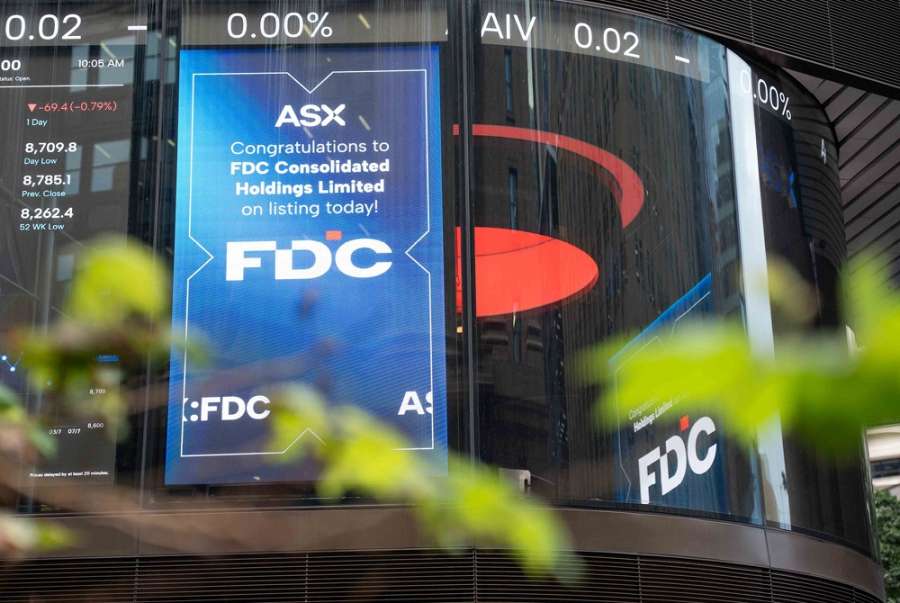
An IPO inevitably changes some things. FDC now reports publicly on its performance. We have a listed-company Board and new responsibilities to a broader group of shareholders. The purpose of listing was never change for change’s sake. It was continuity, allowing us to remain significant shareholders and members of the Board, with the existing leadership continuing to lead the company. It protected FDC’s DNA, while giving the business greater capacity to grow, take on increasingly complex work and create opportunities for the people within it. Throughout the process, we often said, “We're not having a revolution. This is an evolution.”
The listing gave us an opportunity to recognise that contribution in a tangible way. As part of the IPO, eligible employees were gifted shares in FDC, becoming shareholders in the business they help build. There will be opportunities for more of our people to share in the company’s future over time. That mattered enormously to us because, in some respects, the change in ownership simply recognised something that had happened a long time ago. Long before the listing, FDC had already become collectively owned in spirit. Today, FDC is a business of 725 people. We don’t take that lightly. It is humbling to think about the number of people who have chosen to make FDC part of their working lives.
Building with Heart
Taking a company public requires a business to articulate its value in very precise terms. Performance can be measured, governance can be documented and ownership divided into shares, but some of the things we consider most valuable about FDC are much harder to quantify.
Trust built over decades. A subcontractor who answers the phone because of a relationship established years earlier. Someone staying late to solve a problem because they care about what happens next. A young cadet being given an opportunity and, years later, creating that same opportunity for somebody else. Culture can sound abstract until you see it expressed in those moments. That is the FDC we wanted to protect. It is also why we have never viewed the IPO as an exit. We remain invested in the company, financially, but also personally.
There is a temptation at moments like this to talk about legacy. We think stewardship is the better word. Legacy tends to look backwards; stewardship asks what you are going to do with what has been entrusted to you. FDC began with us, but it was never built by us alone. It was built by the people who took a chance on a young company, by clients who came back, subcontractors who stood beside us when projects became difficult, by cadets who became leaders and by generations of FDC people who improved the business and then brought the next generation with them.
We don't know what FDC will look like 36 years from now. What we do know is what we want it to feel like. We want people to know that relationships matter and that success is something to be shared. That when challenges arise, we pull together; and when things go well, we celebrate together. FDC began with two brothers. Today, it belongs to a much bigger community of people who have shaped it, strengthened it and made its success possible. If 36 years have taught us anything, it’s that FDC’s greatest asset will always be its people.
Ben & Blake Cottle