For the latest news and updates, subscribe to the MADE Newsletter 

By
May 13th, 2026

In Sync

From coaching elite rowing competitions to project delivery, FDC Project Manager, Nathan Bowden’s approach is built on the same principles: get the culture right, communicate clearly, and always back your team.

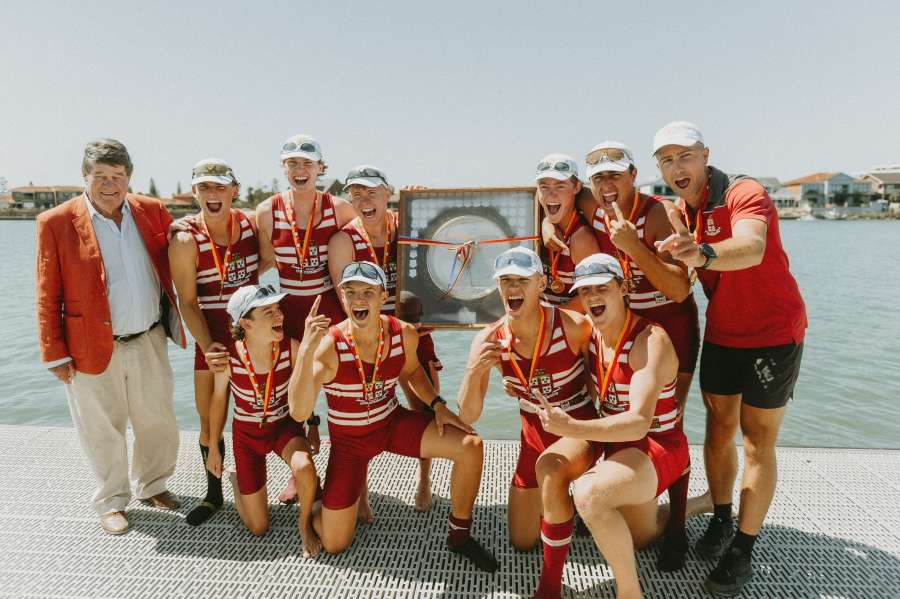
Years before he was leading the Prince Alfred College First Eight in back-to-back rowing victories, FDC South Australia Project Manager Nathan Bowden was in a skiff himself, training, competing, and representing Australia. His rowing career took him from Sydney to the Australian Institute of Sport in Canberra, where he spent two years immersed in elite competition, racing at World Cups and World Championships. Years later, the lessons he learnt about discipline, communication and understanding of how a group can come together to function as one, are helping to shape how he inspires the team. 

Now in his third year at the school, and his seventh as a coach, Nathan has led the program to two consecutive Head of the River wins, including breaking an 11-year drought in his first victory. It was an exhilarating result, but he says chasing the win was never the starting point.

“It was always about getting the culture right first. Once you have that then everything else will just fall into place,” he says. That meant resisting the urge to overhaul everything immediately, instead taking the time to observe, understand, and build from within.

Two Worlds Collide

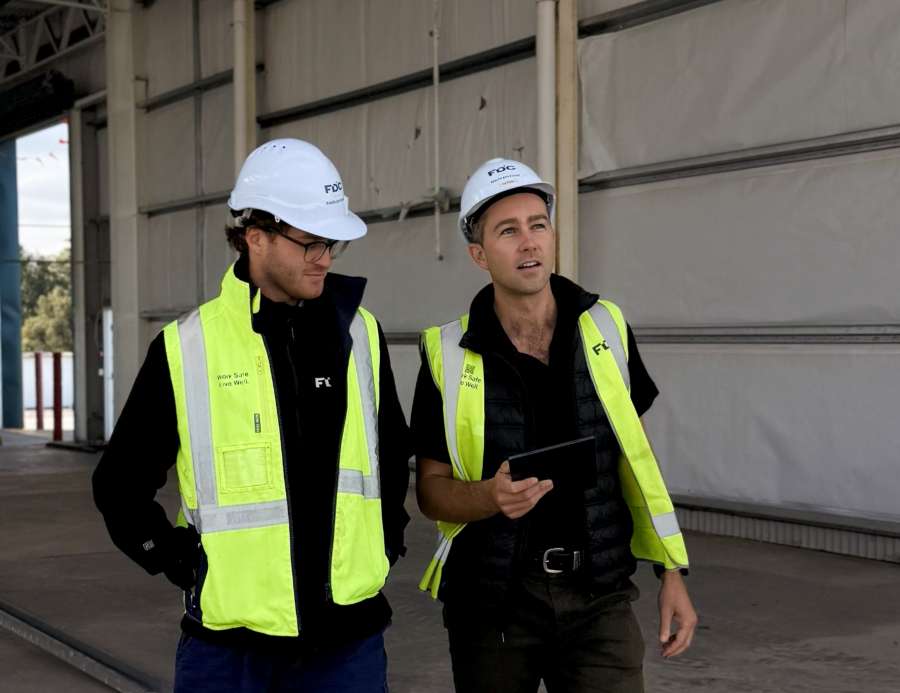
Nathan balances his demanding training schedule with his fast-paced job as a Project Manager at FDC. The key to success in both pursuits is being exceptionally well organised. “I look after the Year Elevens and Twelves, all the way down to giving program guidance to the Year Seven coaches. We have about 30 coaches and staff that help out, whether it's logistics, towing trailers or coaching. For me, it's about seven or eight training sessions a week that I fit in around my work,” he says. “I’m always looking ahead at what’s coming up and what needs to be in place, whether that’s a regatta or a project milestone. Every job's got time, cost, and quality you've got to adhere to. So you've got to make sure that everything's getting done in the right procedure and in the right timeframe.”

Clear communication sits at the centre of both worlds. Whether it’s guiding a crew through a training session or navigating subcontractor relationships on site, the fundamentals remain the same: clarity, consistency, and an awareness of the people around you.

“If someone’s not going well, whether it’s a student or someone on your team, you’ve got to recognise that and support them,” he says. “Otherwise, you’re not going to get the best out of anyone.

A Winning Strategy

A defining part of Nathan’s approach to coaching is what he calls a “bottom-up” effect. Early in the season, experienced rowers train alongside those who have never stepped into a boat before, a deliberate decision designed to shift mindset as much as skill.

“It teaches the senior athletes how to communicate their experience,” he explains. “How do you break something down for someone who’s never done it before?” It’s a lesson in leadership, humility and responsibility, and one that extends well beyond the water.

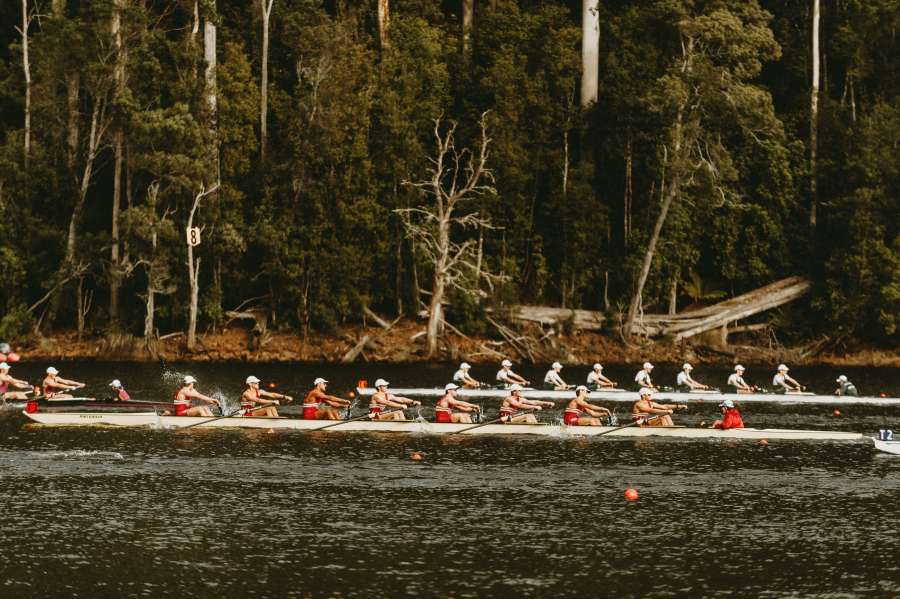
That resilience was tested recently at the Australian National Championships in Tasmania, where unpredictable conditions delayed racing and pushed the team into unfamiliar territory. Competing against larger interstate programs, the crew narrowly missed the A Final by seconds.

“You can’t control the weather, but you can control how you show up, focusing on what’s within your control,” he says. “It’s about processing the result, being okay with disappointment, and then coming back together to get the best outcome you can the next day.”

A Smart Balance

Since joining FDC nearly two years ago, Nathan has worked across a number of projects, beginning as a Contract Administrator on Festival Tower before stepping into a Project Manager role on the BDO Adelaide fitout. Most recently, he’s been delivering a large-scale retail refurbishment for BWP Trust. It’s a high-pressure role which runs in parallel to his demanding coaching schedule.

Early mornings on the water are followed by site starts. Sessions are often set in motion before dawn, with Nathan handing over to other coaches as he heads to site, a structure that relies as much on trust as it does on planning. Afternoons shift between client-facing responsibilities and training sessions; a rhythm that demands discipline and a clear head.

That trust, he says, is where FDC stands apart. “As long as the work’s being done, there’s support to pursue something outside of work,” he explains. “And that actually puts me in a better headspace to do my job well. It’s that level of trust. You’re not letting things sit you’re getting your work done, and in turn you’re supported to perform in both areas.”

FDC’s culture is grounded in its people, something Nathan sees reflected in both the way teams operate internally and how relationships are maintained. “Culture for me is very important,” says Nathan. “You've got to enjoy where you work and the way that FDC made me feel welcome from day dot, really stood out.”

Both rowing and construction rely on trust, says Nathan, on clear communication and on people working towards something bigger than themselves. “Rowing’s given me a lot of opportunities,” he reflects. “If I can pass something on, to a student or someone coming through the sport, then I feel like I’m doing my job.” But whether on the water or on site, the principle is the same: relationships, support and long-term impact matter just as much as the work itself.

Photo Credit: Lydia Kammer